Financial education and literacy form the foundation of healthy financial decision-making. Whether managing daily expenses or planning for long-term goals, understanding how money works helps individuals navigate financial responsibilities with confidence. In an environment filled with complex financial products and constant economic change, financial knowledge is a powerful asset.
What Financial Literacy Really Means
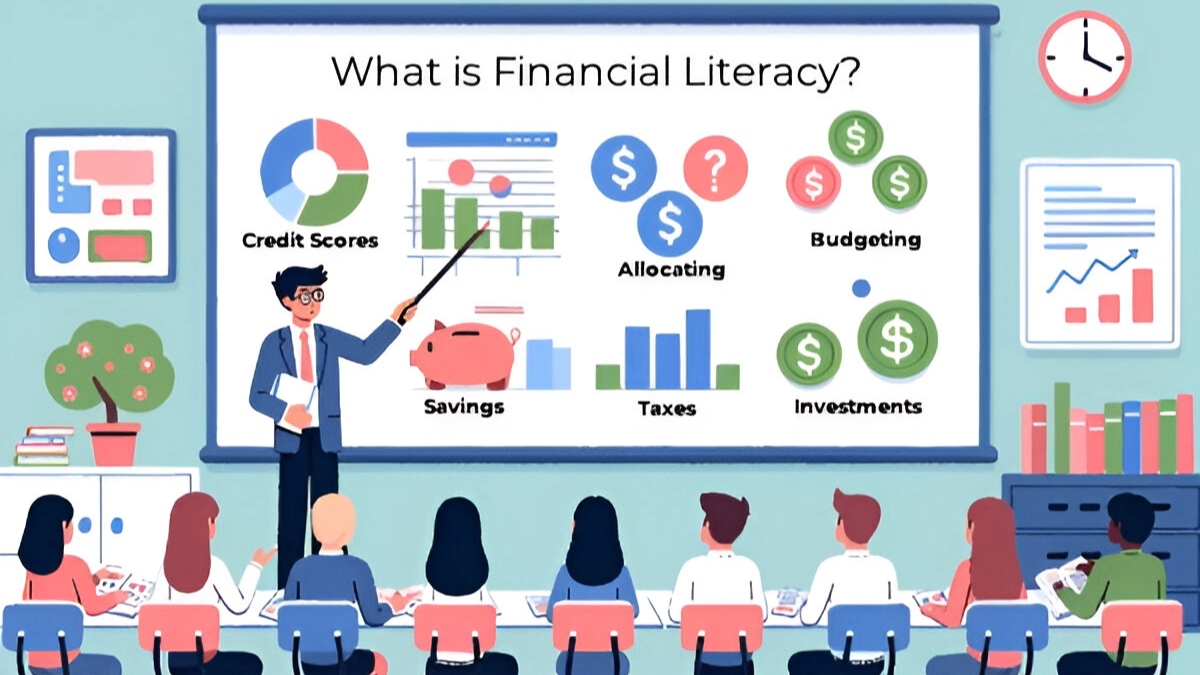
Financial literacy goes beyond knowing basic financial terms. It involves understanding how income, expenses, savings, credit, and investments work together. Financial education provides the tools to evaluate choices, compare options, and make decisions that align with personal values and long-term goals.
A financially literate individual is not defined by wealth but by awareness and control over financial decisions.
Why Financial Education Is Essential
Without financial education, people are more likely to rely on guesswork or outside advice without understanding the risks involved. This can lead to poor budgeting, unnecessary debt, or missed opportunities for growth.
Financial education helps individuals:
-
Plan for future needs with clarity
-
Avoid common financial mistakes
-
Manage financial stress more effectively
-
Build resilience during economic uncertainty
Knowledge creates confidence, which leads to better outcomes over time.
Core Skills Developed Through Financial Literacy
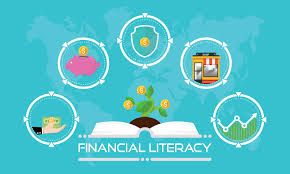
Budget awareness helps track spending and identify saving opportunities. A clear budget acts as a roadmap for financial behavior.
Saving discipline ensures money is set aside for emergencies and future goals. Regular saving builds security and reduces dependence on borrowing.
Debt understanding teaches how interest and repayment affect long-term finances. Knowing how to manage debt prevents financial strain.
Investment understanding introduces the concept of growth through time. Learning about risk, patience, and diversification supports responsible investing.
These skills work together to support financial stability.
Financial Literacy in a Modern Economy
Today’s financial environment includes digital banking, online investing, and instant transactions. While these tools offer convenience, they also increase the need for financial awareness.
Financial education enables individuals to use digital tools wisely, recognize misleading offers, and protect personal financial information. Being informed helps people stay in control in an increasingly digital world.
Long-Term Value of Financial Education
Financial literacy produces lasting benefits. Individuals with financial knowledge are more likely to plan for retirement, adjust to life changes, and maintain financial independence.
Over time, good financial habits lead to stronger credit, better savings, and greater peace of mind. Financial education supports both personal growth and financial security.
Building and Maintaining Financial Knowledge
Improving financial literacy is an ongoing process. Learning from trusted sources, reviewing personal finances regularly, and adapting strategies as circumstances change are key steps.
Small improvements compound over time. Consistent learning creates long-term impact.
About the Author