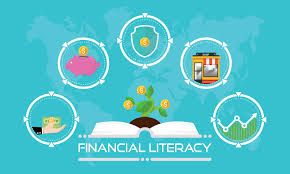
Financial education and literacy are essential skills that shape how individuals earn, spend, save, and invest money. In a world where financial choices are increasingly complex, having a strong understanding of basic financial principles is no longer optional—it is necessary for long-term stability and personal confidence.
Understanding Financial Literacy
Financial literacy is the ability to make informed and effective decisions with financial resources. It involves understanding income, expenses, savings, credit, investments, and financial risk. Financial education is the learning process that builds this understanding over time.
Being financially literate does not mean having advanced financial knowledge. It means being able to evaluate options, recognize risks, and make decisions that align with personal goals.
The Impact of Financial Knowledge on Daily Life
Everyday decisions—such as using credit cards, planning monthly expenses, or saving for future needs—are directly influenced by financial literacy. Individuals with financial knowledge tend to plan ahead and adapt more easily to financial challenges.
Financial education also encourages responsibility. When people understand the long-term effects of financial choices, they are less likely to engage in impulsive spending or risky behavior.
Key Elements of Financial Education
Income management is a foundational skill. Understanding how income is earned, taxed, and allocated helps create realistic financial plans.
Saving habits play a critical role in financial security. Building an emergency fund and saving consistently creates a safety net during uncertain times.
Credit awareness is another essential element. Knowing how interest works and how borrowing affects future finances helps individuals avoid unnecessary debt.
Investment awareness introduces the concept of growing money over time. Learning about risk, time horizons, and diversification allows individuals to invest responsibly.
Together, these elements create a balanced approach to money management.
Financial Literacy and Risk Awareness
One of the most important benefits of financial education is risk awareness. Understanding potential downsides helps individuals avoid financial traps, misleading offers, and unrealistic promises.
Informed individuals are better prepared to identify scams and protect their financial assets. Awareness reduces vulnerability and supports long-term financial resilience.
Building Financial Confidence Over Time
Financial education builds confidence gradually. Small steps, such as tracking expenses or understanding basic financial terms, lead to greater clarity and control.
As knowledge grows, individuals become more comfortable making financial decisions independently. This confidence supports better planning and long-term success.
Encouraging Lifelong Learning
Financial education is not a one-time effort. Markets change, financial products evolve, and personal circumstances shift. Continuous learning helps individuals adapt and make informed adjustments over time.
Staying informed through reliable sources and reviewing financial goals regularly supports steady improvement.
About the Author